
Night shift stories
Quarriers services supporting young people affected by homelessness are often there 24/7.
Here, we share some night shift stories.
Angela Campbell, Service Manager

At this service we’re supporting young people to live in a temporary tenancy provided by the local authority. So, they’re on their own. They can call us any time from 9 – 5pm and after 5 there’s an on-call to cover the phone line through the night.
“Even if it’s 2am, someone will be there to talk to.”
They need a safe person to go to in those moments in the middle of the night when things can be very black. Many of our young people can feel frightened at night because they’ve not always been safe at night during childhood.
I’d say at any one time, we’re working with at least one young person who has disclosed abuse, and we may be supporting them through the legal process and the trial of the perpetrator. It is really brave. It can fracture whole families. So young people can feel isolated and anxious.
It’s just one example of the support young people may need at nighttime and it’s vital we’re there with reassurance and acceptance.

“I was placed in a one-bedroom flat in the community, with outreach support from the Quarriers team. I remember the very first night I was in my flat by myself – I was petrified. I’d never been alone like that. You can phone the Quarriers team 24 hours, and I phoned the nightshift phone and spoke to Paul. He was absolutely amazing. He just spoke to me and calmed me down. I will never forget it – he actually stayed on the line until I fell asleep.”
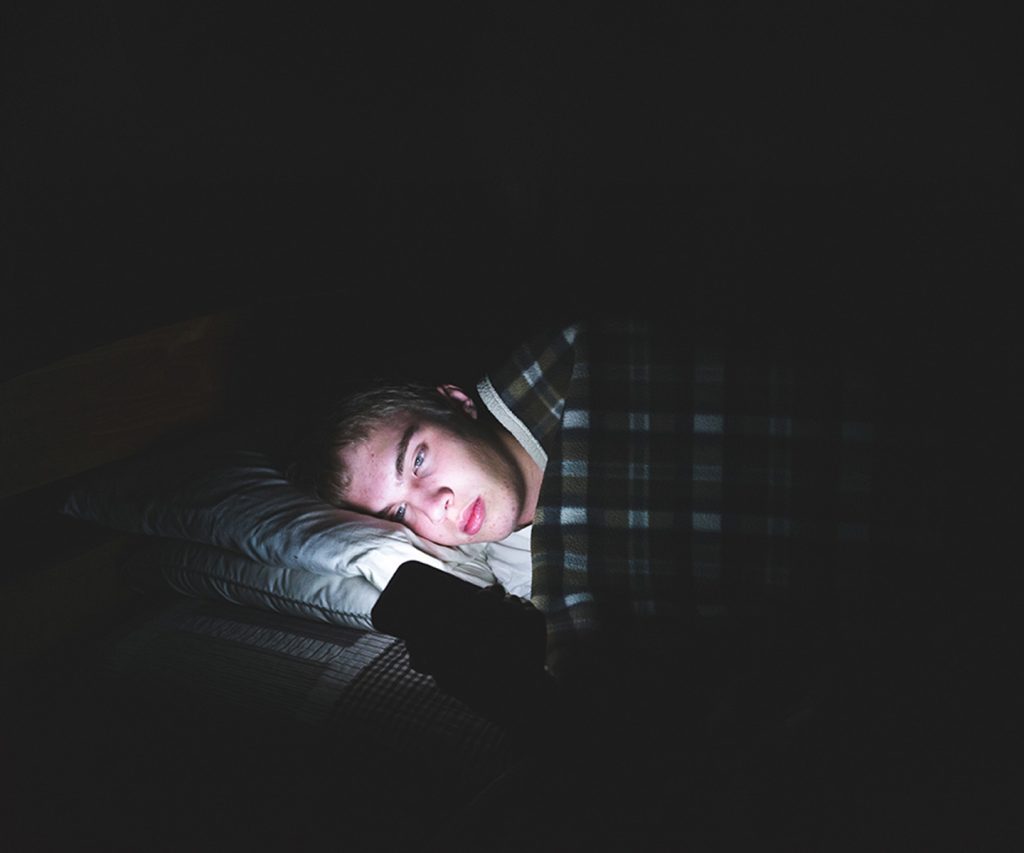

Eileen Winters, Service Manager
The young people we support live in flats above our office. We have one staff member on a sleepover, and one on night cover.
Years ago, I realised that young people often feel more secure if they know who will be there through the night, so we let them know who will be on with them over the night-time on a WhatsApp group.
They’ll come and chap the door for a chat, and sometimes what want to talk about is difficult.
“They might not have spoken to anybody their whole life about it.”
You’re so privileged to be a person who can listen to them. If we weren’t there, who would they tell? Would they go and do something if they didn’t have someone to say to them, “you’re ok”.
Josh Mensah-Keli, Intensive Support Worker
At my service we support young people living in tenancies in the community. We have a freephone number that young people can call through the night.
They might be having a mental health crisis and tell us they are considering self-harming, and we will contact the mental health crisis team or police or whatever agency is required.
“The most common call is from young people losing their keys and then we can get them access to spare keys.”
Recently, a young person had to go to A&E during the day, and they were discharged from the hospital well after midnight. They called looking for help, so I was able to get them a taxi home.